Embracing Self-Awareness: The Journey to a More Fulfilling Life

In the hustle and bustle of daily life, it’s easy to lose sight of ourselves. We get caught up in our routines, responsibilities, and the expectations of others. However, taking the time to cultivate self-awareness can be a transformative experience, leading to a more fulfilling and balanced life. In this blog post, we’ll explore what self-awareness is, why it matters, and how you can develop this essential skill.

What is Self-Awareness?

Self-awareness is the ability to recognize and understand your own thoughts, emotions, and behaviors. It involves being mindful of your strengths and weaknesses, acknowledging your values and beliefs, and understanding how your actions impact yourself and others. Self-awareness is not about judging yourself; it’s about observing yourself with curiosity and compassion.

The Benefits of Self-Awareness

  1. Improved Relationships: When you understand your own emotions and triggers, you can communicate more effectively and empathetically with others. This leads to healthier and more meaningful relationships.
  2. Better Decision Making: Self-awareness helps you make decisions that align with your values and long-term goals. You’ll be less likely to make impulsive choices and more likely to consider the bigger picture.
  3. Enhanced Emotional Regulation: By recognizing your emotional responses, you can manage them more effectively. This reduces stress and increases your ability to cope with challenges.
  4. Personal Growth: Self-awareness is the foundation of personal development. It enables you to identify areas for improvement and take proactive steps towards growth.
  5. Increased Happiness: Understanding what truly makes you happy allows you to pursue activities and goals that bring you joy and fulfillment.

How to Develop Self-Awareness

  1. Practice Mindfulness: Mindfulness involves paying attention to the present moment without judgment. It can help you become more aware of your thoughts, emotions, and physical sensations. Try incorporating mindfulness practices such as meditation, deep breathing exercises, or simply taking a few moments each day to observe your surroundings.
  2. Reflect Regularly: Set aside time for self-reflection. This could be through journaling, talking with a trusted friend, or simply thinking about your day. Ask yourself questions like, “What went well today?” and “What could I have done differently?”
  3. Seek Feedback: Others can often see things about us that we might miss. Ask for feedback from friends, family, or colleagues, and be open to their perspectives. Use their insights to gain a more complete understanding of yourself.
  4. Identify Your Values: Take time to consider what is truly important to you. What are your core values and beliefs? How do they influence your decisions and actions? Understanding your values helps you live a more authentic and purposeful life.
  5. Observe Your Reactions: Pay attention to how you react in different situations. What triggers strong emotions in you? How do you respond to stress or conflict? Observing these reactions can provide valuable insights into your inner world.
  6. Set Goals for Personal Growth: Identify areas where you would like to improve and set specific, achievable goals. Whether it’s improving your communication skills, managing stress better, or developing a new habit, setting goals gives you a clear path to follow.

My Personal Journey with Self-Awareness

When I first started my journey towards self-awareness, it was both exciting and daunting. I remember a particular moment during one of my meditation sessions where I had a breakthrough. I realized that I often let my fear of failure stop me from pursuing my passions. This insight was a turning point for me. I began to understand how this fear influenced my decisions and relationships.

Through regular reflection and mindfulness practices, I started to see patterns in my behavior that I hadn’t noticed before. For instance, I realized that I would avoid conflict at all costs, which sometimes led to unresolved issues and resentment. By becoming more aware of this tendency, I was able to work on being more assertive and addressing problems head-on.

One of the most valuable aspects of my journey has been seeking feedback from trusted friends and family. Their insights have helped me see myself more clearly and identify blind spots. It’s not always easy to hear constructive criticism, but it has been essential for my growth.

Cultivating self-awareness is a lifelong journey, but the benefits are well worth the effort. By understanding yourself better, you can lead a more intentional, balanced, and fulfilling life. Start small, be patient with yourself, and remember that self-awareness is not about perfection—it’s about growth and understanding. Embrace the journey, and you’ll discover a richer, more meaningful life along the way.


Herbal Teas for Relaxation and Health Benefits

This post may contain affiliate links. If you click on one of these links and make a purchase, I may earn a small commission at no extra cost to you. Affiliate links help support the content I create and allow me to continue providing valuable information and resources. Thank you for your support!

1. Rich in Antioxidants

Herbal teas are packed with antioxidants, which help protect your body against oxidative stress and free radical damage. These antioxidants can boost your immune system and reduce the risk of chronic diseases.

2. Improved Digestion

Many herbal teas, such as ginger, peppermint, and fennel, are known to aid digestion. They can help alleviate digestive issues like bloating, indigestion, and constipation by relaxing the digestive tract and improving the flow of digestive juices.

3. Boosts Immune System

Herbal teas often contain vitamins, minerals, and antioxidants that can strengthen the immune system. Ingredients like echinacea, elderberry, and ginger are particularly effective in boosting immunity and fighting off infections.

4. Detoxification

Herbal teas like dandelion and nettle are natural diuretics, helping to flush out toxins from the body. Regular consumption can aid in detoxifying the liver and kidneys, promoting overall health.

5. Anti-inflammatory Properties

Many herbs used in teas, such as turmeric and ginger, have strong anti-inflammatory properties. Drinking these teas can help reduce inflammation and alleviate symptoms of conditions like arthritis.

6. Supports Heart Health

Herbal teas like hibiscus and rooibos are known to support heart health. They can help lower blood pressure, reduce cholesterol levels, and improve circulation, thus promoting cardiovascular health.

7. Enhances Mental Clarity and Focus

Certain herbal teas, like ginkgo biloba and rosemary, are known to enhance cognitive function. These teas can improve memory, concentration, and mental clarity, making them a great choice for students and professionals.

8. Promotes Skin Health

Herbal teas like chamomile and rooibos contain compounds that are beneficial for the skin. They can help reduce acne, soothe irritated skin, and promote a healthy complexion.

9. Hormonal Balance

Herbs like red clover, raspberry leaf, and chasteberry can help balance hormones. These teas are particularly beneficial for women experiencing PMS, menopause, or hormonal imbalances.

10. Aids Weight Loss

Some herbal teas, such as green tea, yerba mate, and dandelion, can aid in weight loss. They can boost metabolism, reduce appetite, and promote fat burning, making them a helpful addition to a weight loss regimen.

11. Reduces Anxiety and Depression

Herbal teas like St. John’s Wort, lemon balm, and passionflower have natural antidepressant and anxiolytic properties. Drinking these teas can help reduce symptoms of anxiety and depression, promoting a more balanced mood.

12. Natural Caffeine-Free Option

Most herbal teas are naturally caffeine-free, making them an excellent choice for those who are sensitive to caffeine or looking to reduce their caffeine intake. They provide a soothing alternative to traditional caffeinated beverages.

13. Hydration

Drinking herbal tea contributes to your daily fluid intake, keeping you hydrated. Proper hydration is essential for maintaining bodily functions, improving energy levels, and supporting overall health.

Incorporating a variety of herbal teas into your daily routine can provide numerous health benefits and enhance your overall well-being. Enjoy the natural goodness and diverse flavors that herbal teas have to offer!

Let’s explore some of my recommendations for the best herbal teas for relaxation and how they can enhance your well-being.

Chamomile Tea

Chamomile tea is one of the most popular herbal teas for relaxation. Known for its calming effects, chamomile helps reduce stress and anxiety, promoting better sleep. It’s also beneficial for digestion and can help alleviate stomach cramps.

My Recommendation:

Lavender Tea

Lavender tea is another excellent choice for calming the mind and body. The fragrant lavender flowers are known to reduce anxiety, improve sleep quality, and relieve headaches.

My Recommendation:

Peppermint Tea

Peppermint tea is not only refreshing but also has a soothing effect on the digestive system. It’s great for reducing stress and tension headaches, making it a perfect choice for winding down after a long day.

My Recommendation:

Lemon Balm Tea

Lemon balm tea has a mild, lemony flavor and is known for its relaxing properties. It helps reduce anxiety, improve sleep, and boost mood. Lemon balm is also beneficial for cognitive function.

My Recommendation:

Passionflower Tea

Passionflower tea is renowned for its ability to reduce anxiety and improve sleep quality. It’s often used to treat insomnia and nervous tension, making it a powerful ally for relaxation.

My Recommendation:

Valerian Root Tea

Valerian root tea is a potent herbal remedy for promoting deep relaxation and improving sleep. It’s often used as a natural alternative to sleep aids, helping those who struggle with insomnia.

My Recommendation:

Incorporating herbal teas into your daily routine can significantly enhance your relaxation and overall well-being. Whether you’re seeking to unwind after a hectic day or improve your sleep quality, there’s an herbal tea that can help. Try experimenting with different blends to find your perfect cup of tranquility.

Note: Always consult with a healthcare professional before adding new herbal teas to your routine, especially if you are pregnant, nursing, or taking medications.

Cultivating Peace and Serenity: A Guide to Mindfulness Practices

This post may contain affiliate links. If you click on one of these links and make a purchase, I may earn a small commission at no extra cost to you. Affiliate links help support the content I create and allow me to continue providing valuable information and resources. Thank you for your support!

In today’s fast-paced world, finding moments of peace and tranquility can be challenging. Yet, practicing mindfulness can be a powerful tool to help you navigate the chaos and bring more serenity into your life. Here’s how you can start cultivating a peaceful mind through mindfulness.

What is Mindfulness?

Mindfulness is the practice of being present in the moment, fully engaged with whatever you are doing, without judgment or distraction. It involves paying attention to your thoughts, feelings, and surroundings with a sense of curiosity and acceptance.

Benefits of Mindfulness

1. Reduces Stress: Mindfulness helps lower cortisol levels, the stress hormone, leading to a calmer state of mind.

2. Improves Focus: Regular mindfulness practice enhances your ability to concentrate and stay focused on tasks.

3. Boosts Emotional Health: By acknowledging and accepting your emotions, mindfulness can improve your overall emotional well-being.

4. Enhances Self-Awareness: It fosters a deeper understanding of yourself, your thoughts, and your behaviors.

Simple Mindfulness Practices

1. Mindful Breathing: Take a few minutes each day to focus on your breath. Inhale deeply through your nose, hold for a few seconds, and exhale slowly through your mouth. Notice the sensation of the breath entering and leaving your body.

2. Body Scan Meditation: Lie down comfortably and close your eyes. Slowly bring your attention to different parts of your body, starting from your toes and moving up to your head. Notice any sensations, tension, or relaxation.

3. Mindful Eating: Pay full attention to the experience of eating. Notice the colors, textures, and flavors of your food. Eat slowly and savor each bite.

4. Gratitude Journaling: Spend a few minutes each day writing down things you are grateful for. This practice can shift your focus from what’s wrong to what’s right in your life. Here’s an insightful journal to put your thoughts in https://amzn.to/3S0NQHV

5. Walking Meditation: Take a walk in nature, paying attention to the sights, sounds, and smells around you. Walk slowly and mindfully, noticing each step and the feeling of the ground beneath your feet.

Tips for Incorporating Mindfulness into Daily Life

1. Start Small: Begin with just a few minutes of mindfulness practice each day and gradually increase the duration as you become more comfortable.

2. Be Consistent: Try to practice mindfulness at the same time each day to create a routine.

3. Be Patient: Mindfulness is a skill that takes time to develop. Be patient with yourself and avoid self-criticism.

4. Find What Works for You: Experiment with different mindfulness practices to discover which ones resonate with you the most.

Incorporating mindfulness into your daily routine can significantly enhance your mental and emotional well-being. By taking a few moments each day to be present, you can cultivate a more peaceful and fulfilling life. Start your mindfulness journey today and experience the transformative power of being truly present.

Embrace Wellness: Simple Steps to a Healthier You

As an Amazon Associate, I earn from qualifying purchases. This means if you click on the links above and make a purchase, I may receive a small commission at no additional cost to you. Thank you for your support!

In today’s fast-paced world, it’s easy to get caught up in the hustle and forget to take care of ourselves. But wellness is essential for leading a balanced, happy, and fulfilling life. Whether you’re just beginning your wellness journey or looking to enhance your routine, these simple steps can help you embrace a healthier lifestyle. Let’s explore some easy yet impactful ways to integrate wellness into your daily routine.

1. Start Your Day with a Healthy Breakfast

A nutritious breakfast sets the tone for the rest of your day. It gives you the energy you need to stay focused and productive. Consider incorporating a mix of protein, healthy fats, and fiber to keep you satisfied and energized.

Product Suggestion: Quaker Oats Old Fashioned Rolled Oats
Start your morning with a hearty bowl of Quaker Oats, packed with essential nutrients to kickstart your day.

2. Practice Mindfulness and Meditation

Taking a few minutes each day to practice mindfulness can significantly reduce stress and improve mental clarity. Meditation helps center your thoughts, promotes relaxation, and enhances your overall well-being.

Product Suggestion: The Headspace Guide to Meditation and Mindfulness: How Mindfulness Can Change Your Life in Ten Minutes a Day

Explore guided meditation and mindfulness exercises with this great book, an excellent resource for both beginners and experienced meditators looking to achieve a peaceful and focused mindset.

3. Stay Hydrated

Water is crucial for maintaining good health. It helps with digestion, keeps your skin glowing, and supports overall bodily functions. Make it a habit to drink water regularly throughout the day.

Product Suggestion: Water Bottle
Keep yourself hydrated with the stylish and durable Water Bottle, designed to keep your drinks cold for hours.

4. Get Moving with Regular Exercise

Physical activity is vital for maintaining a healthy body and mind. Whether it’s a brisk walk, yoga, or a full gym workout, find an exercise routine that you enjoy and stick to it. I’ve been using the Fitbit Charge 4 for the past three months since I restarted my exercise routine, and it has been a game-changer. This fitness tracker is essential for anyone serious about tracking their progress and achieving their fitness goals. It accurately monitors your activity, sleep, and workouts, providing valuable insights and motivation to keep you moving forward. Whether you’re just starting or looking to take your fitness to the next level, the Fitbit Charge 4 is a must-have tool for your wellness journey.

Product Suggestion: Fitbit Charge 4 Fitness and Activity Tracker
Track your activity, sleep, and workouts with the Fitbit Charge 4, a comprehensive tool to help you stay motivated and reach your fitness goals.

5. Prioritize Sleep

A good night’s sleep is essential for overall wellness. It allows your body to rest, recover, and rejuvenate. Aim for 7-9 hours of quality sleep each night to feel your best.

Product Suggestion: Casper Sleep Pillow
Ensure a restful night’s sleep with the Casper Sleep Pillow, designed to provide optimal support and comfort.

6. Nourish Your Body with Healthy Snacks

Choosing healthy snacks throughout the day can keep your energy levels stable and prevent overeating during meals. Opt for snacks that are rich in nutrients and low in sugar.

Product Suggestion: Nature’s Garden Healthy Trail Mix Snack Packs
Enjoy a delicious and nutritious snack with Nature’s Garden Healthy Trail Mix, a perfect blend of nuts, seeds, and dried fruits. I love Nature’s Garden Trail Mix because they have a lot of varieties that are bound to appeal to everyone. Take your pick!

7. Practice Gratitude

Taking time to reflect on what you’re grateful for can improve your mood and overall outlook on life. Keeping a gratitude journal can be a powerful tool in fostering a positive mindset and helping to relieve stress.

Product Suggestion: 5-Minute Gratitude Journal A Daily Account for Cultivating Thankfulness and Journaling Your Stress Away

Taking just five minutes a day to write in a gratitude journal can transform your mindset and boost your happiness. It’s a simple yet powerful way to focus on the positive and appreciate the little moments in life. Try it and watch your outlook brighten! The 5 Minute Gratitude Journal, is a beautifully designed space for daily gratitude practice in only 5 minutes. Capture your thoughts and reflections in this beautifully designed little lined journal, Journaling Your Stress Away that allows you space for daily gratitude practice.

Wellness is a journey, not a destination. By incorporating these simple steps into your daily routine, you can create a foundation for a healthier, happier life. Remember, small changes can lead to significant improvements over time. Start today, and embrace the path to wellness with open arms.

Discover more wellness products here.

Feel free to share your wellness tips and experiences in the comments below! Let’s build a supportive community focused on health and well-being.

Unlocking Personal Growth in a Busy World – (Self-Reflection)

In the hustle and bustle of modern life, where deadlines loom large, emails flood our inboxes, and schedules overflow with commitments, it’s all too easy to become swept away by the relentless current of daily demands. In this whirlwind of activity, the notion of pausing to reflect upon ourselves and our experiences often feels like a luxury we simply cannot afford. Yet, amidst this chaos, lies a practice that holds the key to unlocking profound personal growth and self-awareness: self-reflection.

Self-reflection, the process of examining our thoughts, emotions, and actions with a conscious awareness, is a practice as ancient as humanity itself. From the teachings of ancient philosophers to the mindfulness practices of Eastern traditions, the importance of turning inward to understand oneself has been emphasized time and time again. And in today’s fast-paced world, its significance is perhaps more relevant than ever.

At its core, self-reflection is about taking the time to pause, to step back from the relentless momentum of life, and to delve into the depths of our inner world. It’s about asking ourselves the tough questions: What are my values and beliefs? What are my strengths and weaknesses? What patterns do I notice in my thoughts and behaviors? By engaging in this process of introspection, we cultivate a deeper understanding of ourselves and our lived experiences.

There are numerous benefits to engaging in self-reflection.. Firstly, it fosters self-awareness, enabling us to recognize our emotions, motivations, and triggers more clearly. This heightened self-awareness, in turn, empowers us to make more intentional choices aligned with our values and goals, rather than reacting impulsively to external stimuli.

Moreover, self-reflection serves as a catalyst for personal growth and development. Through examining our past actions and their outcomes, we gain valuable insights into what has worked well for us and what areas could benefit from improvement. This self-knowledge becomes the foundation upon which we can build new habits, skills, and perspectives, leading to continuous growth and evolution.

Additionally, self-reflection promotes emotional intelligence and resilience. By exploring our emotions with curiosity and compassion, we develop greater emotional regulation skills, allowing us to navigate life’s challenges with greater ease and grace. Rather than being swept away by turbulent emotions, we learn to ride the waves with a steady hand, maintaining our equilibrium even in the face of adversity.

So how can we incorporate self-reflection into our daily lives, amidst the chaos and demands of modernity? The key lies in carving out dedicated time and space for introspection, however brief it may be. This could involve journaling before bed, setting aside a few minutes of quiet contemplation each morning, or incorporating mindfulness practices such as meditation or deep breathing exercises into our daily routines.

Furthermore, it’s important to approach self-reflection with an open mind and a spirit of curiosity. Rather than judging or criticizing ourselves for our thoughts and feelings, we can cultivate an attitude of gentle inquiry, seeking to understand ourselves with kindness and compassion.

In conclusion, amidst the hustle and bustle of modern life, the practice of self-reflection offers a sanctuary of stillness and self-discovery. By pausing to explore our inner landscape, we unlock the door to personal growth, self-awareness, and emotional resilience. So let us embrace the power of self-reflection, and embark on a journey of profound transformation and self-discovery.

Rediscovering Serenity: Getting Back on Track with Meditation

In the chaos of our daily lives, it’s all too easy to let the things that matter most slip through the cracks. For me, one of those things is meditation. I know firsthand the transformative power of meditation—it’s my refuge in times of stress, my compass when I feel lost, and my sanctuary for clarity. Yet, despite this knowledge, I’ve found myself letting life get in the way, neglecting the very practice that I know works best for me.

When I reflect on how I’ve allowed this to happen, it’s clear that it’s a combination of factors. The demands of work, family responsibilities, and social commitment all pile up, leaving little time and energy for self-care practices like meditation. It’s almost paradoxical how the very thing that can help us navigate life’s challenges is often the first thing to be sacrificed in the hustle and bustle of daily life.

But here’s the thing: I’ve come to realize that by neglecting meditation, I’m not only doing myself a disservice, but I’m also depriving myself of the very tools I need to be my best self. Meditation isn’t just about sitting in silence; it’s about cultivating awareness, fostering inner peace, and developing resilience in the face of adversity. It’s about seeing things clearly and finding calm amidst the storm of everyday stresses.

So, how do I—or anyone else who’s lost their way with meditation—get back on track?

The first step is acknowledging that it’s okay to stumble. Life is messy, and we’re all bound to lose our way from time to time. Instead of beating ourselves up over it, we need to extend ourselves some compassion and understanding.

Next, it’s important to carve out time for meditation, even if it’s just a few minutes each day. Whether it’s first thing in the morning, during a lunch break, or before bed, finding a consistent time to practice can help make it a habit.

Setting realistic goals is key. Instead of aiming for marathon meditation sessions right off the bat, start small and gradually build up your practice. Even just a few minutes of meditation can yield profound benefits.

It’s also helpful to create a dedicated space for meditation—a quiet corner of your home where you can retreat from the distractions of the outside world and focus inward.

But perhaps the most important thing is to remember why you started meditating in the first place. For me, it’s about finding peace amidst the chaos and gaining clarity in times of confusion. By reconnecting with our motivations, we can reignite our passion for meditation and rediscover its transformative power.

So, if you’ve lost your way with meditation, know that you’re not alone. Life has a way of throwing us off course, but it’s never too late to find our way back. Start small, be gentle with yourself, and remember the profound benefits that meditation can bring to your life.

Now, I pose a question to you: What is one small step you can take today to reconnect with your meditation practice and cultivate inner peace amidst life’s chaos?

Living Your Truth

In a world often saturated with societal expectations and external pressures, the concept of living your truth stands out as a powerful reminder to be authentic, genuine, and unapologetically yourself. It’s about breaking free from the constraints of societal norms and discovering and embracing your true self. In this blog post, we’ll explore the significance of living your truth and the transformative impact it can have on your life.

Understanding Living Your Truth:

Living your truth is a personal journey of self-discovery and self-acceptance. It involves peeling away the layers of societal conditioning, shedding the expectations imposed by others, and getting in touch with your core values, passions, and beliefs. It’s about recognizing and honoring your authentic self, even if it means challenging the status quo.

Benefits of Living Your Truth:

  1. Authenticity Breeds Fulfillment: When you align your actions and choices with your true self, you experience a profound sense of fulfillment. Living authentically allows you to pursue endeavors that genuinely resonate with your passions and values, leading to a more satisfying and purposeful life.
  2. Building Meaningful Connections: Authenticity fosters genuine connections with others. By being true to yourself, you attract people who appreciate you for who you are, creating deeper and more meaningful relationships. These connections are built on trust, mutual understanding, and respect.
  3. Increased Self-Confidence: Embracing your truth boosts self-confidence. When you live in alignment with your values and beliefs, you become more self-assured and resilient. The courage to be yourself in all situations can empower you to face challenges with a newfound strength.
  4. Personal Growth and Empowerment: Living authentically often involves stepping outside your comfort zone and embracing change. This journey of self-discovery fosters personal growth, resilience, and empowerment. It encourages you to confront and overcome obstacles, leading to a more enriched and enlightened version of yourself.

Practical Steps to Living Your Truth:

  1. Self-Reflection: Take the time to reflect on your values, passions, and aspirations. Consider the aspects of your life that align with your true self and those that may need adjustment. Journaling and meditation can be valuable tools in this process.
  2. Identify and Release Limiting Beliefs: Recognize and challenge any limiting beliefs that may be holding you back from living authentically. These beliefs may have been ingrained over time, but acknowledging and releasing them is crucial for personal growth.
  3. Set Boundaries: Establish clear boundaries that protect your authenticity. This may involve saying no to situations or relationships that compromise your values and well-being. Boundaries are essential for maintaining a healthy balance between self-care and external obligations.
  4. Surround Yourself with Supportive People: Cultivate relationships with individuals who support and uplift you on your journey. Having a supportive community can provide encouragement, understanding, and inspiration as you navigate the path of living your truth.

Living your truth is a courageous and empowering journey that brings about a deeper connection with yourself and the world around you. It’s an ongoing process of self-discovery, growth, and authenticity. As you embrace your true self, you not only experience personal fulfillment but also inspire others to embark on their own journeys of authenticity. So, dare to be yourself, live your

Reimagining Resolutions: Embracing the ‘New Year, New Me’ Journey

The clock strikes midnight, the confetti dances in the air, and the world collectively ushers in another new year. It’s that time again—the season of resolutions, promises, and aspirations. The phrase “New Year, New Me” echoes with both hope and skepticism. Yet, amidst the clichés, there’s an undeniable allure—a chance to rewrite the chapters of our lives, to turn the page and embrace transformation.

Every year, we set forth with grand intentions, armed with resolutions destined to sculpt a better version of ourselves. But how often do these promises endure beyond January? More importantly, why do some resolutions falter while others flourish into life-altering changes?

Perhaps it’s not about the audacity of our goals but rather the journey we embark upon. It’s easy to get caught up in the grandeur of radical change—shedding old habits, adopting new ones, and expecting an overnight metamorphosis. But what if the true essence of the ‘New Year, New Me’ mantra lies in the incremental shifts, the small choices made each day, leading to profound changes over time?

Think of it as a canvas waiting to be painted—a masterpiece evolving stroke by stroke. It’s not about erasing the past but layering it with vibrant hues of growth and self-discovery. Maybe it’s about acknowledging imperfections, accepting the journey’s twists and turns, and finding beauty in the process.

The key to sustainable change might lie in reframing resolutions into intentions—intentions that foster personal growth, resilience, and self-compassion. Instead of fixating on a rigid destination, let’s embrace the journey itself. Each step, no matter how small, inches us closer to the person we aspire to become.

Moreover, let’s foster a community of support—a network of individuals committed to self-improvement. Sharing experiences, setbacks, and triumphs can be empowering. It’s the collective encouragement that propels us forward, reminding us that we’re not alone in this pursuit of self-betterment.

Embracing the ‘New Year, New Me’ journey isn’t about discarding the old self entirely but rather honoring it as the foundation upon which we build. It’s about embracing self-compassion, understanding that setbacks are part of the process, and celebrating progress, no matter how small.

So, as we step into this new year, let’s redefine our approach to resolutions. Let’s set intentions that resonate with our true desires, commit to the daily rituals that align with our aspirations, and cultivate a mindset of resilience and self-kindness.

Remember, the ‘New Year, New Me’ journey isn’t a sprint; it’s a marathon—an ongoing evolution toward the best versions of ourselves. Each day is an opportunity to take a step, however small, towards that vision. So, here’s to a new year—a canvas awaiting our unique brushstrokes, a journey filled with growth, and a commitment to embracing the beauty of becoming.

Cheers to the adventure that awaits, and to the ‘New You’ emerging with each passing day!

How does this resonate with your own thoughts about the New Year, New Me idea?

Facing Your Fears

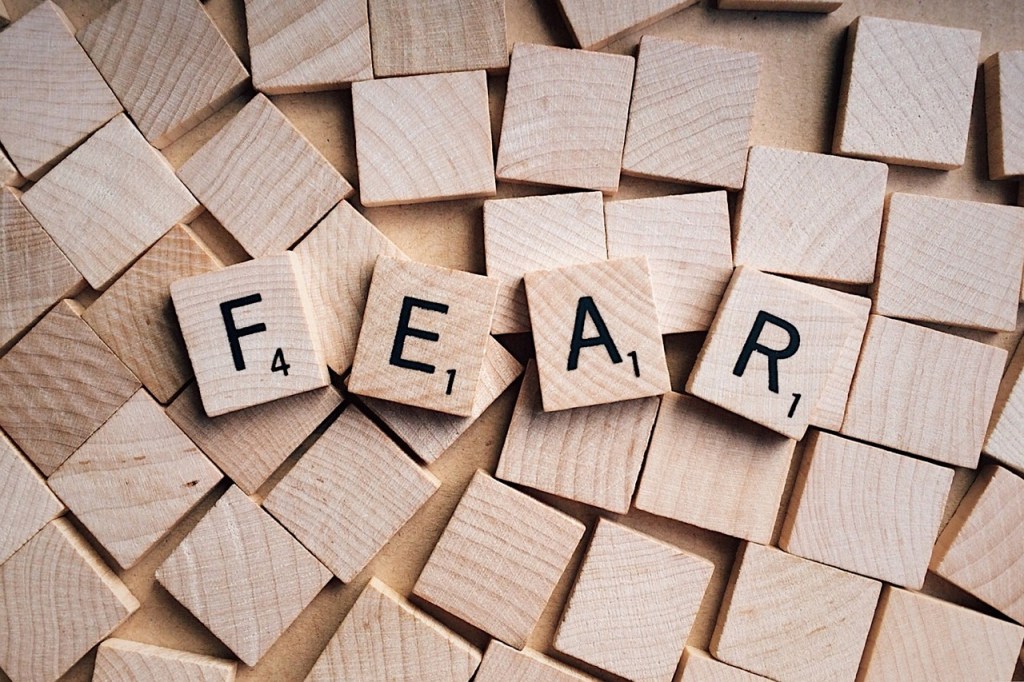
Fear is a powerful and universal emotion. It’s a natural response to perceived threats, whether they are real or imagined. While fear can serve as a protective mechanism, it can also hinder personal growth and prevent us from realizing our full potential. In this blog post, we’ll explore the concept of facing your fears and provide detailed pointers on how to overcome them. Remember, the journey of overcoming fear is a transformative one that can lead to a more fulfilling and enriching life.

Understanding Fear

Before we delve into the strategies for overcoming fear, it’s essential to understand the different types of fear and how they manifest:

  1. Rational Fear: This type of fear is based on real and immediate threats, such as the fear of physical harm or danger. Rational fears are essential for survival and should not be ignored.
  2. Irrational Fear: Irrational fears are often based on perceived threats that are not objectively dangerous. These fears can be limiting and irrational, such as the fear of public speaking or fear of failure.
  3. Phobias: Phobias are intense, irrational fears of specific objects, situations, or activities. Common phobias include arachnophobia (fear of spiders) or acrophobia (fear of heights).
  4. Anxiety Disorders: Some individuals experience chronic and overwhelming fear as part of anxiety disorders like generalized anxiety disorder (GAD), social anxiety disorder, or panic disorder.

Overcoming Fear

Now that we’ve covered the types of fear, let’s explore some effective strategies for overcoming fear and embracing personal growth:

  1. Acknowledge Your Fear: The first step in overcoming fear is to acknowledge it. Understand that fear is a natural emotion, and it’s okay to feel afraid at times.
  2. Identify the Source: To conquer your fear, you must identify its source. Ask yourself what specifically triggers your fear and why. Is it a past traumatic experience, societal pressure, or self-doubt?
  3. Educate Yourself: Knowledge is a powerful tool in conquering fear. If your fear is based on ignorance or misunderstanding, take the time to educate yourself about the subject. This can help demystify the fear and make it more manageable.
  4. Set Realistic Goals: If your fear is related to a specific challenge or goal, break it down into smaller, achievable steps. Gradual exposure to your fear can help desensitize you and build confidence.
  5. Practice Mindfulness: Mindfulness techniques, such as meditation and deep breathing, can help you stay present and reduce anxiety. Mindfulness allows you to observe your fear without judgment and helps you regain control of your emotions.
  6. Seek Support: Don’t be afraid to reach out to friends, family, or a therapist for support. Sharing your fears with someone you trust can provide valuable insights and emotional assistance.
  7. Visualize Success: Use the power of visualization to imagine yourself successfully facing and overcoming your fear. This positive mental imagery can boost your confidence and motivation.
  8. Challenge Negative Thoughts: Fear often stems from negative self-talk and catastrophic thinking. Challenge these thoughts by examining their validity and replacing them with more rational and positive ones.
  9. Take Action: Sometimes, the best way to conquer fear is to confront it head-on. Take gradual steps towards facing your fear, and remember that each small victory counts.
  10. Celebrate Your Progress: Celebrate your achievements, no matter how small they may seem. Recognizing your progress will reinforce your commitment to overcoming your fear.

Facing your fears is a courageous and transformative journey. It requires self-awareness, resilience, and a willingness to step outside your comfort zone. By acknowledging your fear, understanding its source, and employing these strategies, you can take meaningful steps toward personal growth and a more fulfilling life. Remember, the path to overcoming fear may be challenging, but the rewards are well worth the effort. Embrace your fears as opportunities for growth, and watch yourself flourish.

Embrace your Worth!

You are worth every effort you put into your dreams and aspirations. Just like how an artist meticulously crafts each stroke to create a masterpiece, your dedication and hard work shape the masterpiece of your life. Think about how a gardener tends to their garden with love and care, nurturing each plant to bloom in its full glory. In the same way, your journey is a garden that flourishes with your persistence and patience.

Remember the feeling of accomplishment when you completed that challenging project, pouring your energy into it until it shone like a gem. That was your worth manifesting through your dedication. And consider the relationships you’ve built over the years – the genuine connections you’ve nurtured, demonstrating your worth through your capacity for empathy and support.

Just as a star illuminates the night sky with its unique brilliance, you bring your own light to the world. Think of the times you’ve inspired others with your wisdom or kindness, reminding them of their worth. Just like a captain steering a ship through rough waters, you have navigated challenges and storms, proving your worth through your resilience and adaptability.

In your journey, you’ve collected experiences like rare treasures, each one adding to the richness of who you are. Just as a writer weaves words into a story that captivates hearts, your life is an unfolding narrative, full of purpose and value.

So, never doubt the worth you carry within you. Embrace it, nurture it, and continue to grow, for you are worth every bit of the incredible journey you’re on.