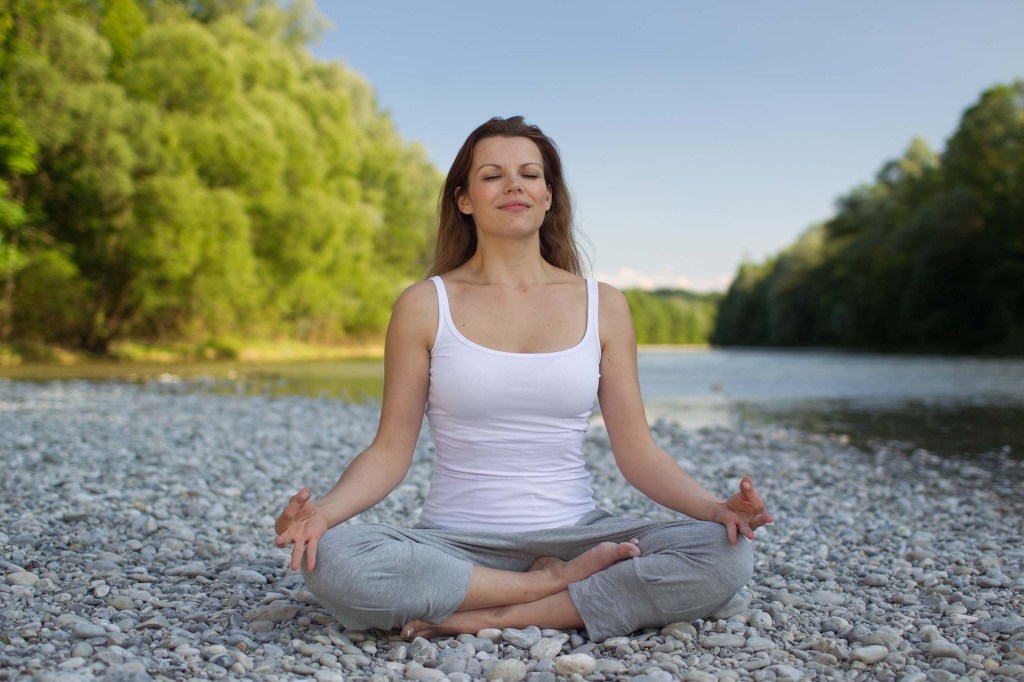
Finding a place to meditate

Creating a peaceful environment is essential for a successful meditation practice. It helps you to focus on your breathing and calm your mind. Here are some tips on how to choose a quiet room or space in your home for meditation:

  1. Look for a space that is quiet: Choose a room or space in your home that is away from noise and distractions. This could be a spare room, a quiet corner of your bedroom or living room, or a dedicated meditation room. Make sure that the space you choose is away from any loud noises, such as traffic, TV, or other distractions.

  2. Consider the lighting: Natural light can be soothing and calming, so try to choose a space that has plenty of natural light. However, if the room you choose is too bright or too dark, you can always adjust the lighting to suit your needs. Soft, warm lighting can be especially calming and relaxing.

  3. Keep it clean and clutter-free: A cluttered space can be distracting and stressful, so it’s essential to keep your meditation space clean and clutter-free. Remove any unnecessary items from the room or space, such as paperwork or household items that may distract you.

  4. Make it comfortable: Make sure your meditation space is comfortable and inviting. You might want to add a comfortable chair or cushion to sit on, or even some plants to add some natural beauty to your space. Whatever you choose, make sure it’s something that helps you feel relaxed and at ease.

Overall, creating a peaceful and calm environment is essential for successful meditation. Take the time to choose a quiet space that suits your needs and preferences, and you’ll be well on your way to a more relaxed and mindful life.

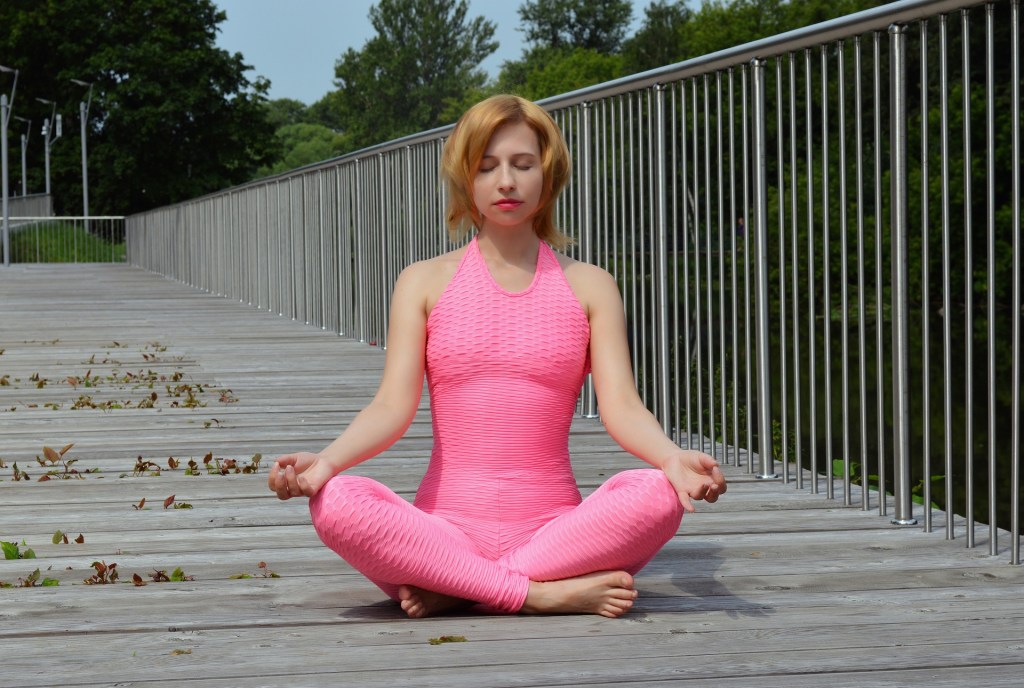
The Life-Changing Power of Meditation: A Personal Perspective on the Fundamentals of Meditation

Meditation is a practice that has been around for thousands of years, and it has been gaining popularity in recent times due to its many benefits. As someone who has been practicing meditation for several years, I can attest to the positive impact it has had on my life. In this blog, I will discuss the fundamentals of meditation and how it has transformed my life.

What is Meditation? Meditation is a mental practice that involves focusing your mind on a particular object, thought, or activity, with the goal of achieving a state of mental clarity, relaxation, and inner peace. There are many different forms of meditation, including mindfulness, guided meditation, and mantra meditation.

Benefits of Meditation:

There are many benefits of meditation, including:

  1. Reduced Stress: Meditation is an excellent tool for reducing stress and anxiety. By focusing on the present moment, you can let go of worries about the past or future.
  2. Improved Focus: Meditation can help you develop better focus and concentration, which can be helpful in both personal and professional settings.
  3. Better Sleep: Practicing meditation before bed can help you relax and fall asleep more easily, leading to a better night’s rest.
  4. Increased Self-awareness: By practicing meditation, you can become more aware of your thoughts, emotions, and behavior patterns, which can help you make positive changes in your life.

How to Meditate:

Meditation can be done in a variety of ways, but here are some basic steps to get started:

  1. Find a quiet and comfortable place to sit where you won’t be disturbed.
  2. Sit with your back straight and your eyes closed or slightly open.
  3. Take a few deep breaths to help you relax.
  4. Focus your attention on your breath, observing the sensation of air moving in and out of your nostrils.
  5. When your mind starts to wander, gently bring your attention back to your breath.
  6. Continue to focus on your breath for a few minutes or as long as you feel comfortable.
  7. When you’re ready to end your meditation, take a few deep breaths and slowly open your eyes.

My Final Thoughts on Meditation:

It is a powerful tool for improving your mental and physical health. By taking just a few minutes each day to practice meditation, you can experience increased calmness, reduced stress, and greater self-awareness. As someone who has benefited greatly from meditation, I encourage everyone to give it a try and see how it can transform their lives.

Why we should meditate: (daily)

Meditation is a practice that has been used for thousands of years to promote relaxation, improve mental clarity, and enhance overall well-being. Despite its long history, many people are still skeptical about the benefits of meditation.

It is a powerful tool for reducing stress and promoting relaxation. It involves focusing your attention on your breath, a mantra, or a visualization to quiet your mind and promote a sense of calm. When we meditate, we focus our attention on the present moment, which helps us let go of worries and concerns about the future. Studies have shown that regular meditation can reduce symptoms of anxiety and depression and improve overall mood.

Just 10-15 minutes of daily meditation can reduce anxiety and stress, improve mood, and promote overall well-being. To get started, find a quiet and comfortable place to sit or lie down, close your eyes, and focus on your breath. Whenever your mind wanders, gently bring your attention back to your breath.

With consistent practice, meditation can become a valuable tool for reducing stress and promoting relaxation in your daily life.