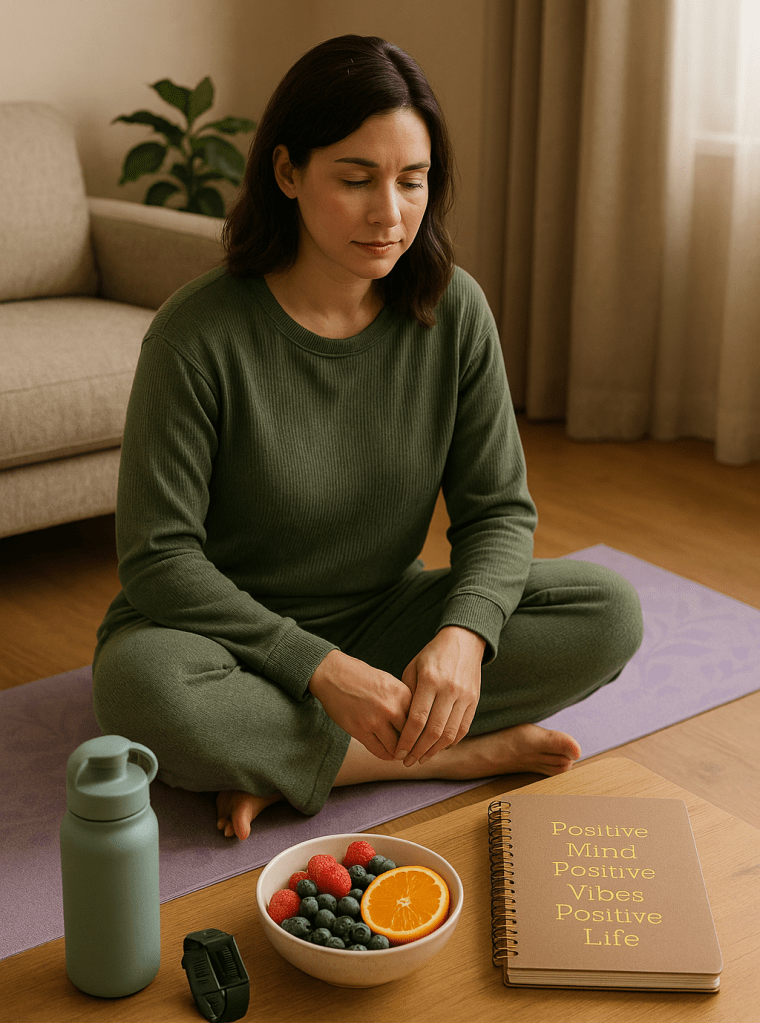
How to Reset Your Wellness Routine When You’ve Fallen Off Track

Let me be honest with you… I’ve fallen off track again. 😅

Between the holidays, endless gatherings, and all those irresistible desserts, my healthy eating habits completely slipped away. I stopped eating my low-carb meals, my workouts became almost nonexistent, and my wellness routine just… disappeared.

But here’s what I’ve learned: falling off track is normal, and it doesn’t mean you’ve failed. It simply means it’s time to reset and give yourself the care you truly deserve – inside and out.

If you’re like me, feeling sluggish and unmotivated right now, here are simple, real-life tips I’m using to get back on track. These steps are gentle, doable, and don’t require you to become a whole new person overnight.

1. Start Small (Like, Really Small)

I used to think getting back on track meant starting with an intense workout schedule and strict meal plan immediately. But honestly, that approach just overwhelms me.

What I’m Doing:
This time, I’m choosing one small habit to reintroduce each day. For example:

  • Drinking a full glass of water first thing in the morning.
  • Doing a quick 5-minute stretch before bed.
  • Writing down one thing I’m grateful for each morning to get my mind in a positive space.

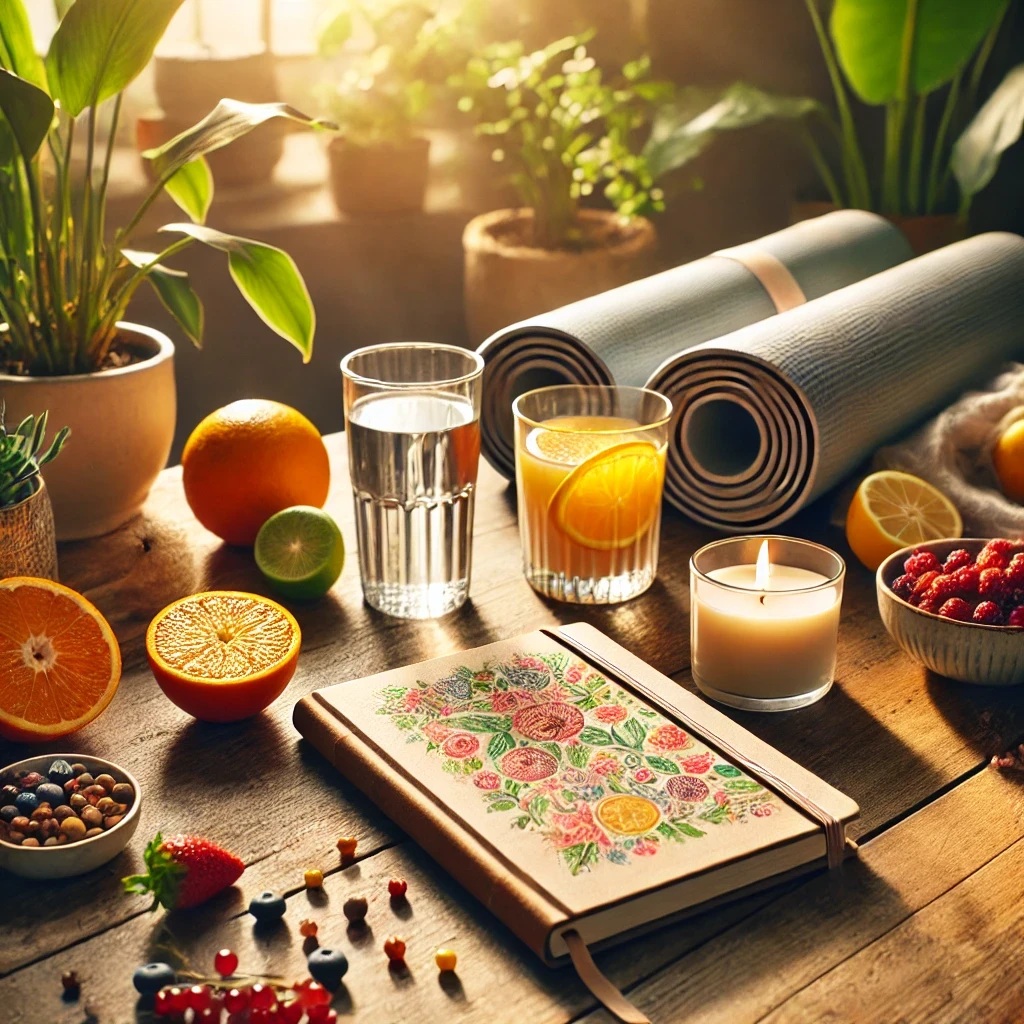
💡 Amazon Pick: I keep my Hydro Flask Water Bottle (available in many different colors; I particularly love the color purple) on my nightstand so I don’t forget to hydrate as soon as I wake up. Staying hydrated instantly makes me feel more alive!

2. Create a “Reset Day”

Instead of forcing myself back into my old routine mid-week, I choose a day to reset with intention. For me, that’s usually Sunday.

What My Reset Day Looks Like:

  • Cleaning and decluttering my space.
  • Prepping easy low-carb meals and snacks for the week ahead.
  • Washing my bedding for a fresh, cozy sleep environment. I put baby powder on the sheets. This makes for the best sleep ever.
  • Writing down my top 3 goals for the week to feel focused.

💡 Amazon Pick: I use these Clear Storage Bins to organize my fridge and pantry. Seeing my healthy options arranged neatly makes it easier to stick to them.

3. Make Movement Fun Again

During the holidays, my workouts were… let’s just say, non-existent. 😅 But I’m not jumping back into hour-long gym sessions yet. I’m simply finding movement that feels fun and easy.

What I’m Doing:
I commit to 10 minutes of movement each day – a walk around the block, dancing to a favorite song, or a quick yoga flow. If I feel like doing more, great. If not, I celebrate that I showed up for myself.

💡 Amazon Pick: My Gaiam Essentials Yoga Mat. My mat is purple; however, they have other colors. This mat is perfect for stretching and at-home workouts without slipping.

9

📱 App Suggestion: I love the FitOn app (free to download) for quick workouts that I can do anytime, anywhere.

4. Focus on Rest & Stress Relief

I’ve realized that sometimes when I fall off track, it’s because I’m simply exhausted. So instead of punishing myself with guilt, I prioritize rest to recharge.

What I’m Doing:
I’ve started setting a bedtime alarm to remind myself to wind down without scrolling endlessly on my phone. I diffuse essential oils and read a chapter of a good book before bed.

💡 Amazon Pick: Lavender Essential Oil in my InnoGear Diffuser creates the most calming atmosphere to help me relax and sleep better.

5. Reflect Without Judging Myself

Instead of beating myself up for falling off track, I’m learning to reflect with compassion. I ask myself:

  • Why did I stop my routine?
  • What was I needing that I didn’t get?
  • What small things can I do this week to support myself better?

What Helps Me:
Journaling these thoughts honestly without shame. It helps me understand what triggered my habits so I can plan better next time.

💡 Amazon Pick: I use the Embrace Serenity Self-Care Reflection Journal to guide my thoughts and stay focused on my goals and wellness journey.

My Final Thoughts

Resetting your wellness routine isn’t about perfection. It’s about showing up for yourself, even in small ways. I’m on this journey too – getting my inside and outside back on track after the holiday indulgence.

Remember, falling off track doesn’t erase your progress. It just makes you human. Take a deep breath, choose one thing from this list to do today, and give yourself grace. We’re in this together.

Question for You:
What’s one small thing you’re doing today to reset your wellness routine? Share in the comments below so we can all inspire each other!

Note: This post contains affiliate links, which means I may earn a small commission if you purchase through these links at no extra cost to you. Thank you for supporting Simply GAGA! 💛
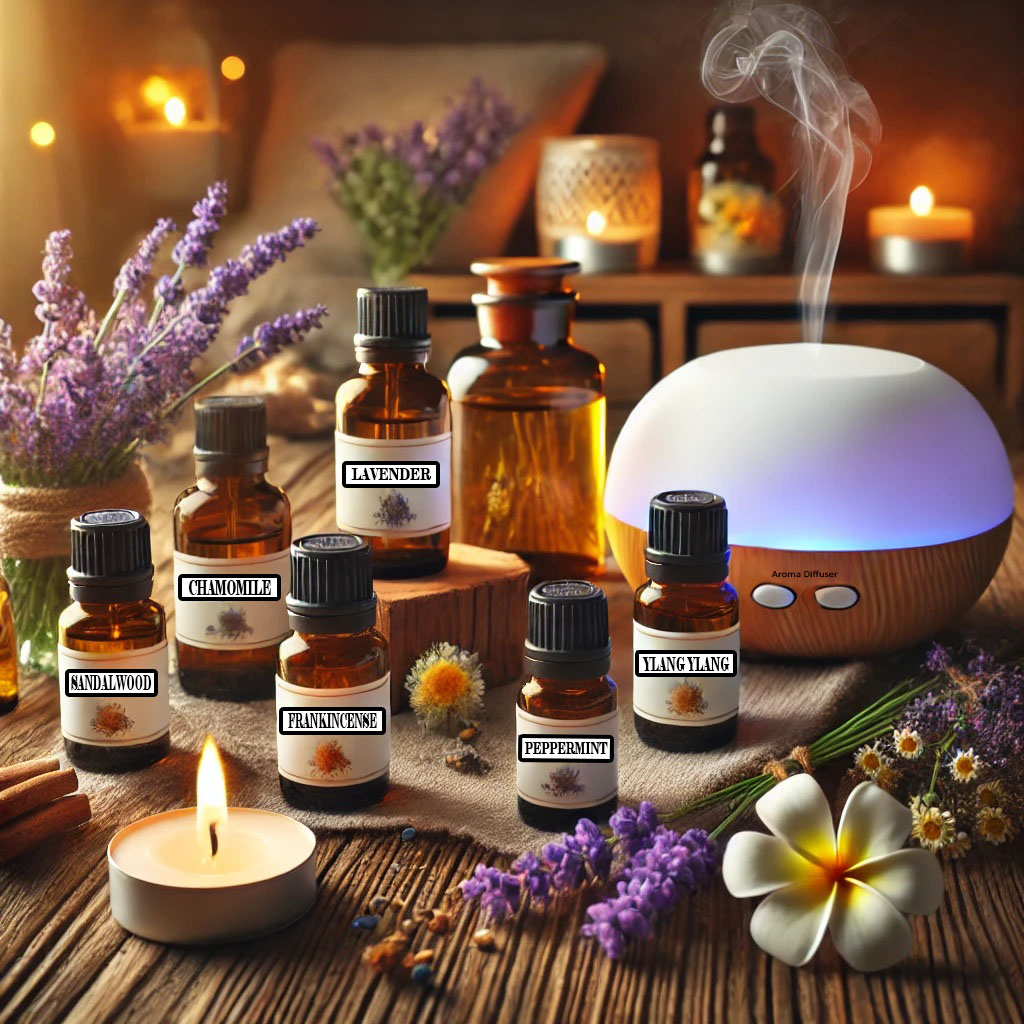
Relax and Unwind: How Essential Oils Can Help You De-Stress Naturally

In today’s fast-paced world, finding moments of relaxation is essential for our well-being. Whether you’re winding down after a long day, creating a peaceful bedtime routine, or simply taking a moment for yourself, essential oils can be a powerful tool to promote relaxation and tranquility.

But what exactly are essential oils, and how do they work? In this blog, we’ll dive into the best essential oils for relaxation, where they come from, their benefits, and a simple yet effective recipe to transform your space into a serene oasis. Plus, I’ll include links to some of my favorite essential oils that you can grab right from Amazon!

The Best Essential Oils for Relaxation & Their Origins

Essential oils are natural extracts derived from plants, each with unique properties that can help calm your mind and body. Let’s take a look at some of the most popular relaxation-inducing essential oils:

1. Lavender (Lavandula angustifolia) – The Ultimate Relaxation Oil

Where it Comes From: Lavender essential oil is steam-distilled from the flowers of the lavender plant, primarily grown in France, Bulgaria, and the Mediterranean region.

Why It Works: Lavender is well-known for its soothing and calming effects. It helps reduce anxiety, promote restful sleep, and even ease tension headaches.

💡 Amazon Pick: High-Quality Lavender Essential Oil

2. Chamomile (Chamaemelum nobile) – The Soothing Comfort

Where it Comes From: Chamomile essential oil comes from the daisy-like chamomile flowers, commonly grown in Europe and North Africa.

Why It Works: Known for its ability to calm the nervous system, chamomile can help with stress relief, relaxation, and improving sleep quality. It’s also great for soothing irritated skin!

💡 Amazon Pick: Organic Chamomile Essential Oil

3. Frankincense (Boswellia carterii) – The Spiritual Relaxer

Where it Comes From: Frankincense oil is derived from the resin of the Boswellia tree, native to regions of the Middle East and Africa.

Why It Works: Frankincense is often used in meditation and deep relaxation practices. It promotes emotional balance, relieves stress, and enhances a sense of peace and clarity.

💡 Amazon Pick: Pure Frankincense Essential Oil

4. Ylang-Ylang (Cananga odorata) – The Mood Booster

Where it Comes From: Extracted from the yellow star-shaped flowers of the Ylang-Ylang tree, this oil is native to tropical regions such as Madagascar and the Philippines.

Why It Works: Ylang-Ylang has a floral, sweet scent that helps reduce stress and anxiety while boosting your mood. It’s also great for relaxation and balancing emotions.

💡 Amazon Pick: 100% Pure Ylang-Ylang Essential Oil

5. Sandalwood (Santalum album) – The Earthy Grounding Oil

Where it Comes From: Sandalwood essential oil is distilled from the wood of the sandalwood tree, mainly found in India and Australia.

Why It Works: Sandalwood has a warm, woody aroma that helps ground emotions, reduce stress, and enhance meditation or mindfulness practices.

💡 Amazon Pick: Premium Sandalwood Essential Oil

Now that you know which essential oils are best for relaxation, why not create your own calming blend? This DIY essential oil recipe will help transform your space into a tranquil retreat.

🌿 Serenity Diffuser Blend

What You’ll Need:

  • 3 drops Lavender Essential Oil
  • 2 drops Chamomile Essential Oil
  • 2 drops Frankincense Essential Oil
  • 1 drop Ylang-Ylang Essential Oil
  • A diffuser filled with water

Instructions:

  1. Fill your diffuser with fresh water up to the recommended level.
  2. Add the essential oils to the diffuser.
  3. Turn it on and let the soothing aroma fill your space.
  4. Close your eyes, take deep breaths, and enjoy the relaxation!

💡 Amazon Pick: Essential Oil Diffuser for Aromatherapy

Other Ways to Use Essential Oils for Relaxation

🌸 Bedtime Pillow Spray: Mix a few drops of lavender oil with distilled water in a spray bottle and mist your pillow before bed for a peaceful sleep.

🛁 Relaxing Bath Soak: Add 5-10 drops of chamomile or lavender oil to a warm bath with Epsom salts for a luxurious, spa-like experience.

💆 Stress-Relief Massage: Mix a few drops of your favorite essential oil with a carrier oil (like coconut or jojoba oil) and massage into your shoulders and neck to melt away tension.

Final Thoughts

Incorporating essential oils into your relaxation routine is an easy and natural way to de-stress, unwind, and create a peaceful atmosphere at home. Whether you diffuse them, add them to a bath, or use them in a massage, these oils can work wonders for your well-being.

Which essential oil is your favorite for relaxation? Let me know in the comments below!

Note: This post contains affiliate links, which means I may earn a small commission if you purchase through these links at no extra cost to you. Thank you for supporting Simply GAGA!

Unlock Your Best Self: Simple Tips for Health and Wellness

When it comes to living a healthy and balanced life, small, intentional changes can make a big difference. From staying active to nurturing your mind, achieving overall wellness doesn’t have to be complicated. In this post, we’ll explore easy, practical ways to take better care of yourself—and I’ll share a few tools I’ve personally found helpful that you can easily find on Amazon and other sites.

1. Start Your Day with a Morning Routine

Your morning sets the tone for your entire day. A calming morning routine can reduce stress and increase productivity. Start with a few minutes of meditation or journaling. Writing down your goals and thoughts can help you feel grounded.

💡 Recommendation: The Embrace Serenity Self-Care Reflection Journal is a fantastic way to start your day with intention. It guides you through mindfulness, gratitude, and personal growth exercises for a balanced mindset.

2. Stay Hydrated and Energized

Water is essential for overall health, yet so many of us forget to drink enough. Invest in a stylish water bottle that keeps your water cold and motivates you to hydrate. Staying hydrated not only boosts energy but also improves skin and digestion.

💡 Recommendation: Check out the Hydro Flask Water Bottle for its sleek design and excellent insulation. You’ll never want to leave home without it!

3. Move Your Body Daily

Exercise doesn’t have to mean an intense workout at the gym. A simple 20–30 minutes of walking, yoga, or dancing can do wonders for your physical and mental health. Make movement fun by trying something new!

💡 Recommendation: For a fun and effective way to exercise at home, the Gaiam Yoga Mat provides great support and grip for yoga, Pilates, or stretching.

4. Prioritize Rest and Relaxation

In our busy lives, rest often takes a backseat. However, good sleep and relaxation are vital for recovery and overall wellness. Set a bedtime routine to wind down—light a candle, turn off your devices, and read a book to calm your mind.

💡 Recommendation: The Let Go Let God Soy Candle provides a relaxing ambiance and reminds you to release your worries before bedtime. The best part about this candle is that it comes in many different scents and is customizable too.

5. Nourish Your Body

Eating well doesn’t have to mean restrictive dieting. Focus on balanced meals with plenty of fresh fruits, vegetables, whole grains, and lean proteins. Don’t forget to enjoy an occasional treat—life is about balance!

💡 Recommendation: A Ninja Professional Blender is a game-changer for creating healthy smoothies, soups, and sauces that fuel your body with nutrients.

6. Practice Self-Care

Wellness isn’t just about physical health; it’s also about mental and emotional well-being. Take time each week to do something you love, whether it’s reading, crafting, or soaking in a warm bath.

💡 Recommendation: Add a relaxing touch to your self-care routine with Dr. Teal’s Foaming Bath with Epsom Salt to soothe tired muscles and calm your mind.

7. Keep Learning and Growing

Personal development is a lifelong journey. Read books, listen to podcasts, or take courses that inspire you. Growth keeps your mind sharp and opens up new opportunities for fulfillment.

💡 Recommendation: Dive into a motivational read like Atomic Habits by James Clear to learn how small changes can lead to remarkable results.

My Final Thoughts

Your health and wellness journey is uniquely yours, and it doesn’t have to be overwhelming. By incorporating these simple practices into your daily life, you can feel healthier, more energized, and ready to take on anything.

Do you have a favorite wellness tip or tool? Let me know in the comments below—I’d love to hear what works for you!

Note: Some of the links in this post are affiliate links. That means I may earn a small commission at no additional cost to you if you make a purchase through them. Thank you for supporting Simply GAGA!

The Ultimate Guide to Relaxation: The Benefits of Foot Soaking for Total Body Wellness

When was the last time you took a moment to pamper your feet? With all the steps, strides, and support they give us every day, our feet deserve a little TLC. One of the simplest yet most powerful ways to care for them is through a foot soak. This ancient ritual isn’t just about softening the skin on your feet—it has a profound impact on your overall well-being.

Why Foot Soaking?

Our feet are packed with nerve endings, connecting to various parts of the body through reflexology points. A warm foot soak can stimulate these points, leading to a relaxation effect that can be felt throughout the body. Not to mention, it’s an easy way to unwind after a long day!

Benefits of a Foot Soak

  1. Relieves Stress and Tension
    The soothing warmth of a foot soak encourages muscle relaxation, easing tension in both the feet and body. Adding essential oils like lavender or eucalyptus amplifies the experience, creating a tranquil spa-like environment.
  2. Improves Blood Circulation
    Warm water encourages blood flow, helping to revitalize tired, swollen feet. This can be especially beneficial if you’re on your feet for long hours, as improved circulation aids in faster recovery and reduced muscle soreness.
  3. Aids in Detoxification
    Adding Epsom salts or baking soda to your foot soak can help draw out toxins through the skin. These natural ingredients can also soften calluses, leaving your feet feeling refreshed and rejuvenated.
  4. Promotes Better Sleep
    Soaking your feet before bed can have a relaxing effect that promotes better sleep. The warmth of the water combined with the calming aroma of essential oils sends signals to your body to unwind, paving the way for restful slumber.
  5. Reduces Swelling and Inflammation
    For anyone dealing with arthritis or inflammation, a foot soak with Epsom salt can work wonders. The magnesium in Epsom salt helps reduce swelling and pain, providing relief for those tired, achy joints.

How to Create Your Perfect Foot Soak

You don’t need fancy tools to create a blissful foot soak; a simple basin and warm water are all it takes to get started. Here’s a quick guide to setting up your ideal foot soak at home:

  1. Choose Your Ingredients:
    • Epsom Salt: Great for detoxifying and muscle relaxation.
    • Essential Oils: Lavender for relaxation, eucalyptus for refreshment, or peppermint for cooling relief.
    • Herbs: Chamomile or rose petals for a touch of luxury and extra relaxation.
  2. Fill with Warm Water:
    The water should be warm but not too hot. Test it with your hand to find a comfortable temperature.
  3. Soak and Unwind:
    Allow yourself 15-20 minutes to fully soak and relax. This is your time to read, listen to music, or simply meditate. Focus on your breath and let go of any tension.
  4. Moisturize and Massage:
    After drying your feet, apply a rich moisturizer to keep the skin soft. Give yourself a gentle foot massage, pressing into any sore spots and feeling the tension melt away.

Elevate Your Experience with a Foot Soaking Machine

While a simple basin can provide a great foot soak, using a foot soaking machine can take the experience to the next level. These machines are designed with features that not only enhance relaxation but also target sore muscles and boost circulation, making it an excellent investment for regular foot soakers. Here’s why you might consider adding a foot soaking machine to your routine:

  1. Heated Water Control
    Foot soaking machines keep the water at a consistent, comfortable temperature throughout the soak, so there’s no need to worry about reheating. Many machines also offer temperature control, allowing you to find the perfect warmth for your feet.
  2. Bubble and Vibration Massage
    Some machines come with bubbles and vibration settings, adding gentle stimulation that soothes tired muscles and promotes deeper relaxation. The bubbles create a spa-like effect, while the vibrations gently massage pressure points, providing relief to areas you didn’t even know were tense.
  3. Massaging Rollers
    Built-in rollers at the bottom of the machine can provide an extra massage for your feet. Simply move your feet over the rollers to stimulate reflexology points and increase blood circulation, relieving pain and soreness after a long day.
  4. Detachable Compartments for Herbs and Oils
    Many machines now include compartments to hold herbs, oils, or salts, making it easy to customize your soak without adding these ingredients directly to the water. This feature keeps the machine clean and enhances the therapeutic effects of your chosen additives.
  5. Compact and Easy to Use
    Foot soaking machines are generally compact and easy to store, making them a convenient addition to your self-care toolkit. Most come with handles and easy drainage features, so setup and cleanup are simple.

Recommended Foot Soaking Machines

If you’re interested in upgrading your foot-soaking experience, here are a few machines that might suit your needs:

  • HoMedics Shower Bliss Foot Spa (Model FB-625H): This foot spa offers a soothing shower massage with water jets that mimic a gentle shower for a refreshing, relaxing experience. It features built-in heating to maintain a warm soak, three pedicure attachments for exfoliation, and toe-touch controls for easy adjustments. This spa enhances circulation, reduces swelling, and softens skin, making it perfect for an at-home pampering session.
  • Conair Foot Spa with Bubbles & Heat: A more budget-friendly option, this foot spa includes bubbles, heat, and a vibration massage, providing a great way to unwind without breaking the bank.
  • RENPHO Foot Spa Bath Massager: This model has three massage modes, heating control, and removable rollers, offering a highly customizable foot soak experience with the bonus of an easy-to-use interface.

Adding a foot soaking machine to your self-care routine can make a big difference in your relaxation experience, helping you unwind with the feel of a professional spa from the comfort of your home. Your feet work hard, so why not treat them to a little luxury? With a foot-soaking machine, every soak becomes an indulgent escape, leaving you feeling refreshed and ready to take on the world.

A Ritual Worth Repeating

A regular foot soak is not only a way to relieve foot pain but also an invitation to incorporate more self-care into your life. Whether you make it a nightly ritual or a special weekend treat, a foot soak can leave you feeling relaxed, refreshed, and ready to take on the world.

So, next time you feel the weight of the day, treat yourself to a warm, soothing foot soak—your entire body will thank you.

Coloring Isn’t Just for Kids: The Science and Joy Behind Adult Coloring

When you think of coloring, it’s easy to imagine kids scribbling with crayons in their favorite coloring books. But in recent years, adult coloring has become a massive trend, with millions of people rediscovering the calming and joyful practice of putting pencil to paper. It turns out coloring isn’t just child’s play—it’s an incredibly effective way to relieve stress, practice mindfulness, and even boost creativity. So, let’s explore why coloring is for everyone, backed by some fascinating science and my own experience.

The Science Behind Adult Coloring: Mindfulness and Stress Relief

Coloring as an adult can be an excellent form of “active meditation.” Studies have shown that coloring intricate patterns and designs can reduce stress and anxiety. The act of coloring requires focus on repetitive motions and designs, which can quiet the mind and promote relaxation. Psychologists like Carl Jung have long recommended coloring mandalas and symmetrical patterns for their soothing effects.

When you’re coloring, your brain is forced to focus on the present moment—the texture of the pencil, the richness of the colors, and the image coming to life. This level of focus is similar to what you experience during meditation, and it helps calm the “fight or flight” response triggered by stress. Coloring induces the relaxation response, lowering the heart rate and decreasing muscle tension, which in turn can boost mental clarity and mood.

Neuroscience and Creativity: Coloring as a Boost for the Brain

The calming benefits of coloring aren’t just related to stress reduction—it also taps into parts of our brain associated with creativity. When you color, your brain’s right hemisphere, which is responsible for creative thinking and intuition, gets a chance to engage fully. At the same time, the left hemisphere, which manages logic and analytical thinking, plays a supporting role in choosing colors and maintaining patterns.

Moreover, the repetitive action of coloring activates the brain’s prefrontal cortex, which regulates decision-making and problem-solving. This helps improve focus and attention, making coloring a therapeutic activity for those who struggle with conditions like anxiety, depression, or ADHD. For me personally, coloring has become a tool to help me de-stress after a long day or when my mind feels scattered—allowing me to recenter myself and feel more present.

Making It Personal: My Coloring Journey

My journey with adult coloring started out of curiosity. Initially, I was skeptical—I couldn’t imagine how an activity I last did in elementary school could provide me with any benefit beyond nostalgia. But once I started, I quickly realized the joy of focusing on the colors and patterns. Coloring gave me a break from screens, work, and the constant stream of thoughts that can be so overwhelming. It became a self-care ritual, allowing me to be creative without the pressure to produce something “perfect.”

As I found myself reaching for my coloring books more and more, I began to appreciate the process. The sense of accomplishment that comes from finishing a page is deeply satisfying, and there’s something therapeutic about filling in a blank space with vibrant colors.

Coloring Books to Start Your Journey

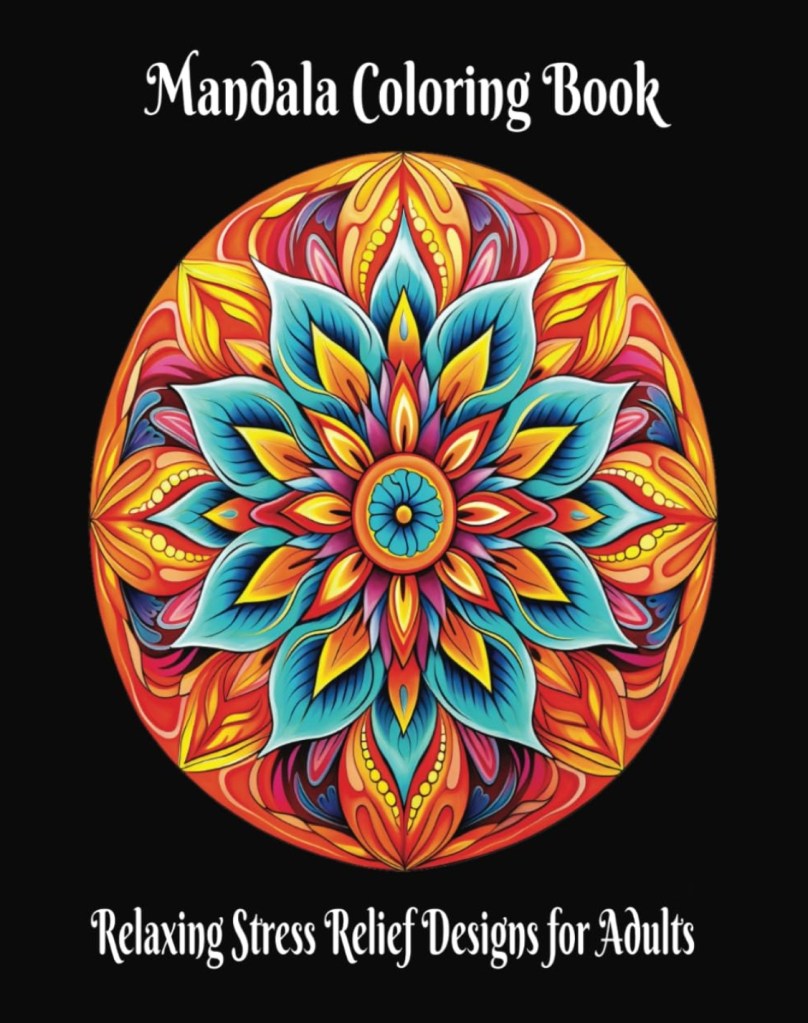
If you’re interested in trying adult coloring, Rachel M Davis has an array of beautiful and imaginative coloring books available on Amazon. Her designs range from intricate mandalas to soothing nature scenes, perfect for those looking to engage their minds while finding a sense of calm. Davis’s books are a great place to start if you want to explore the world of adult coloring—whether you’re new to it or rediscovering the joy of coloring.

From fantasy-inspired illustrations to relaxing geometric patterns, her books provide a mindful escape from everyday life. With high-quality designs, they allow colorists of all skill levels to enjoy the process, leaving behind any pressure for perfection.

Why You Should Pick Up Coloring Today

Coloring as an adult is an exercise in mindfulness, creativity, and self-expression. Whether you’re looking for a new hobby to help you relax or a way to spark creativity, coloring can be the perfect answer. And you don’t need to be an artist—just someone who’s willing to grab some pencils, sit back, and see where the colors take you.

So, why not give it a try? Grab a coloring book by Rachel M Davis, a set of colored pencils, and discover the joy and peace that comes from adding color to your world.

Find Rachel M Davis’s Coloring Books on Amazon
If you’re ready to get started, check out some of Rachel M Davis’s beautifully crafted coloring books for adults. Dive into a world of creativity, mindfulness, and self-care today!

Some of the links on this page are affiliate links, which means that if you make a purchase through them, I may earn a small commission at no extra cost to you. This helps support my content and allows me to continue providing you with valuable resources. Thank you for your support!

Clear Your Mind & Be Present: Tips for Mental Clarity and Joyful Living

In today’s busy world, it’s easy to feel overwhelmed, stressed, and scattered. The constant to-do lists, social media notifications, and the never-ending demands of work and life can clutter our minds and leave us feeling far from centered. But what if you could easily reset, clear your mental fog, and embrace the joy of living in the moment? Good news—you absolutely can! Here are some simple yet effective ways to keep your mind clear and live fully in the present, with a few product recommendations to help you along the way.

1. Start with Mindful Mornings

The way you start your morning sets the tone for the whole day. Instead of rushing to check your emails or scrolling through social media, take a few moments to center yourself. Practicing mindfulness can be as simple as sitting in silence, breathing deeply, and focusing on your intentions for the day. Even a quick 5-minute meditation can do wonders for your mental clarity.

Product Tip: Morning Sidekick Journal – This journal offers a great way to set your morning intentions, track your habits, and find daily motivation. It’s designed to help you stick to a routine that keeps your mind focused and clear.

Check it out on Amazon!

2. Create a Peaceful Space

Our environment plays a big role in how we feel. Clutter can lead to a cluttered mind, so creating a peaceful, organized space can help promote a sense of calm and clarity. Light a candle, play soothing music, and create a cozy nook where you can escape for some “me time.”

Product Tip: Himalayan Salt Lamp – These lamps are not only stylish, but they also emit a soft, warm glow that creates a serene atmosphere in any room. Plus, some say they help purify the air and boost mood!

Check it out on Amazon!

3. Declutter Your Mind with Journaling

Journaling is a great tool to clear mental clutter. Writing your thoughts down helps you process emotions, declutter your mind, and gain perspective on your life. A gratitude journal, where you write down three things you’re thankful for each day, can be especially helpful to bring you back to the present moment and focus on the positives in life.

Product Tip: The Five Minute Journal – With prompts that make journaling quick and easy, this tool helps you reflect on your day and sets the tone for positivity and mindfulness.

Check it out on Amazon!

4. Practice Mindful Breathing

Breathing exercises are one of the simplest and most effective ways to calm your mind and stay present. When you’re feeling overwhelmed, take a moment to pause and breathe deeply. You can even use guided breathing exercises or meditation apps to help you.

Product Tip: Mindfulness Bell Timer – A gentle bell or timer can help remind you to take breaks for breathing exercises throughout your day. Just set it up for regular intervals, and when the bell rings, pause and breathe deeply for a few moments.

Check it out on Amazon!

5. Stay Grounded with Movement

Movement is medicine! Whether it’s yoga, a short walk, or even dancing around your living room, moving your body helps to clear the mind and connect you to the present. Try setting aside a few minutes each day to stretch or move in a way that feels good for you.

Product Tip: Gaiam Yoga Mat – Having a comfortable and durable yoga mat makes it easier to practice stretching, yoga, or meditation right in the comfort of your home.

Check it out on Amazon!

6. Sip & Savor

Sometimes, taking a few moments to enjoy a warm cup of tea can help you slow down and appreciate the moment. Choose a tea that soothes your senses, such as chamomile for calming or peppermint for a refreshing boost. Make this a mindful ritual—sit down, take a few deep breaths, and savor each sip.

Product Tip: Yogi Calming Tea – This tea is specifically blended to help reduce stress and bring a sense of calm and clarity. Perfect for winding down in the evening or any time you need to pause and reset.

Check it out on Amazon!

7. Embrace Technology Wisely

Yes, it’s true—technology can be a source of distraction. However, it can also be a great aid in helping you stay clear-minded and present. Use apps for guided meditation, journaling, or setting reminders to take breaks throughout your day.

Product Tip: Muse 2: The Brain Sensing Headband – This high-tech headband helps you practice meditation more effectively by providing real-time feedback on your brain activity. A great tool for those looking to deepen their mindfulness practice and learn to focus better.

Check it out on Amazon!

Living in the Moment

Clearing your mind and living in the present isn’t about perfection—it’s about finding joy in the small, mindful moments and letting go of the mental noise that weighs you down. With a few simple changes and the right tools, you can create a daily routine that helps you feel centered, joyful, and fully present.

Here’s to happy, clear, and mindful living!

Affiliate Disclosure: This post contains affiliate links. If you use these links to buy something, I may earn a small commission at no extra cost to you. Thank you for supporting this blog!

How the Muse 2 Headband Helped Me Meditate Better: A Personal Journey to Mindfulness

Meditation is one of those things that sounds simple: close your eyes, breathe, and be present. Yet, when I first started meditating, I found it anything but simple. My thoughts were constantly racing, I wasn’t sure if I was doing it right, and I struggled to stay focused. That all changed when I tried the Muse 2 Headband. This little gadget has completely transformed the way I meditate and made it not just easier, but far more rewarding.

So, I want to share my experience with Muse 2—how it works, why it’s been so helpful for me, and how it might be just the tool you need if you’re struggling with meditation like I was.

My First Impression of Muse 2

The Muse 2 is a sleek, lightweight headband that fits snugly around your forehead and ears. At first, I was a little skeptical—would wearing a headband while meditating feel comfortable, or just distracting? But as soon as I tried it, I was amazed by how comfortable it was. It’s soft, adjustable, and after a while, I barely even noticed I had it on.

The real magic happened when I connected it to the Muse app on my phone. I quickly realized that this wasn’t just another meditation tool—it was like having my very own meditation coach. I was excited to dive in and see how it could enhance my practice.

How Muse 2 Helped Me Stay Focused

One of the biggest struggles I faced with meditation was staying focused. I’d sit down with the intention of clearing my mind, but within seconds, I’d be thinking about my grocery list, my work tasks, or that one embarrassing thing I said five years ago. Sound familiar? That’s where Muse 2 made all the difference.

The headband uses real-time biofeedback to track four key elements: your brain activity, heart rate, breath, and body movements. While I was meditating, the headband was “listening” to my body and mind, translating my state into soothing sounds like rain, waves, or birds. When my mind was calm, the sounds were gentle and peaceful. But when my focus wavered and my mind wandered, the sounds would become stormy or intense—alerting me to bring my attention back to my breath or my body.

It felt like I had a built-in alert system, gently nudging me back whenever I drifted too far off.

Why It’s Been a Game Changer for My Practice

What really stood out to me was how much easier it became to understand what was happening in my meditation. With the real-time feedback, I could feel when my mind was calm and see when I was distracted, all without judgment. It helped me tune into my mental and physical state, and over time, I could see measurable progress.

1. Tracking My Brain Activity:

One of the most fascinating parts was seeing how my brain activity fluctuated during each session. When my mind was calm, I’d hear soft, calming sounds, but as soon as my thoughts started to race, the headband would pick it up and play more active, “stormy” sounds. This immediate feedback helped me quickly notice when I was distracted and gently guide myself back to calm.

2. Connecting with My Breath and Heart:

I also started focusing on the “breath” and “heart” options in the app. With the heart meditation, I was able to listen to a rhythmic heartbeat that synced with my own. The breathing feedback helped me deepen my breath, slow down, and enter a more mindful state. Focusing on my heart and breath made me feel more centered and grounded during meditation.

3. Monitoring My Body Movement:

I didn’t realize how much I moved during meditation until I used Muse 2. The gentle nudges when I shifted or fidgeted helped me become more aware of how to stay still, which in turn helped deepen my practice.

Progress That You Can See & Feel

After each session, the app gives a detailed summary of how you did. I loved being able to see my progress over time—how often I was in a calm state, how long I stayed focused, and how much my practice improved each day. It’s so encouraging to have tangible proof that my mindfulness practice is evolving and to see that growth translated into daily calmness and clarity.

Why I Recommend Muse 2 for Meditation

If you’re someone who struggles to meditate, whether you’re easily distracted or don’t know if you’re “doing it right,” the Muse 2 Headband can be a game changer. Here’s why:

Immediate Feedback: The real-time audio feedback gently guides you back to focus without any judgment.

Personalized Practice: You can tailor your meditation sessions to focus on your mind, heart, breath, or body—whatever feels best for you.

Track Your Growth: The progress tracking and in-depth summaries help you understand your journey and celebrate your achievements in mindfulness.

It’s been a delight to see how using Muse 2 has made my meditation practice feel more grounded, less like a chore, and much more fulfilling. The ability to measure my progress and get instant feedback has helped me cultivate a deeper sense of calm and has carried over into my daily life. From starting my mornings more centered to feeling more present throughout the day, Muse 2 has become a staple in my mindfulness routine.

If You’re Thinking About Trying It…

I’d say go for it! If meditation is something you’ve always wanted to try but found difficult to stick to, Muse 2 could be just what you need to find that focus and peace you’re searching for.

Affiliate Disclosure: This post contains affiliate links. If you decide to make a purchase through these links, I may earn a small commission at no extra cost to you. Thank you for supporting this blog and my meditation journey!

Check out the Muse 2 Headband on Amazon!

Let’s meditate and find our peace together. 🧘‍♂️

How I Learned to Block Out the Rhetoric of the Day and Protect My Peace

There was a time when I felt like I had to keep up with everything—news, social media trends, and even the latest drama on YouTube. Like many people, I found myself constantly bombarded by a relentless stream of information. But the truth is, it was overwhelming, exhausting, and left me feeling drained. It became clear that I needed to block out the noise and protect my peace.

I realized that not everything deserved my attention. So, here’s how I shifted my mindset, stopped engaging with certain media, and focused on what truly matters.

Letting Go of the News: Choosing Peace Over Negativity

I used to start my mornings by catching up on the news, scrolling through headlines while sipping my coffee. But I noticed a pattern—by the time I was done, I often felt anxious, sad, or even frustrated. There was so much negativity. It felt like the world was always on fire, and it weighed on me throughout the day.

One day, I asked myself, “Why am I doing this?” The news wasn’t adding any value to my life, and it wasn’t helping me be more productive or happy. In fact, it was doing the opposite. So, I made the conscious decision to stop watching the news. It wasn’t easy at first because I had this nagging feeling that I might miss something important, but over time, I realized that my peace of mind was worth more than staying “informed” about every bad thing happening in the world.

Now, I limit myself to brief news summaries a couple of times a week, and even then, I focus only on the facts, skipping the sensationalism. This simple change has made a world of difference in my mental and emotional well-being.

Curating My YouTube Feed: Cutting Out Content That Drains Me

YouTube used to be my go-to for everything—entertainment, news, tutorials, you name it. But I began to notice how certain types of videos would leave me feeling upset or drained. Whether it was a heated debate or a video diving into negative, fear-driven topics, I’d walk away feeling emotionally exhausted. One day, my husband asked me, “Why do you watch those types of videos when you know you’re only going to get mad?” It was such a simple question, but it made me stop and reflect. Why was I consuming content that only stirred up negative emotions?

So, I decided to take control. I unsubscribed from channels that promoted drama or negativity, even if they were popular. I also stopped watching videos that stirred up feelings of anger, fear, or anxiety. Instead, I filled my feed with content that uplifts me—whether it’s about wellness, creativity, or personal growth.

This small but intentional act of curating my content gave me more control over my emotional landscape. Now, when I watch YouTube, it feels like I’m nurturing my mind rather than poisoning it.

Setting Boundaries: Protecting My Energy

I’ve also learned the importance of boundaries in other areas of life. For example, I used to feel the need to participate in every conversation, whether it was about politics, gossip, or the latest internet scandal. I would get caught up in discussions that didn’t resonate with my values or my goals. It drained me.

Now, I’m much more intentional about the conversations I engage in and the people I surround myself with. If I notice a topic doesn’t align with my peace or makes me feel anxious, I either change the subject or politely excuse myself. There’s a lot of freedom in realizing that you don’t have to participate in every discussion—you have the power to choose what deserves your energy.

Tuning Into My Inner Voice

One of the most transformative shifts for me has been learning to tune into my inner voice. When you’re constantly surrounded by external rhetoric, it’s easy to lose sight of what you truly think and feel. I realized that I was often being swayed by other people’s opinions or societal expectations.

To reconnect with my intuition, I started practicing mindfulness and meditation. Every morning, instead of scrolling through my phone, I take a few moments to sit in silence, breathe, and listen to my thoughts. It’s in those quiet moments that I find clarity. This practice helps me tune out the noise of the day and focus on what really matters to me.

Curating My Environment: Choosing Positive Influences

Another thing that helped me block out the rhetoric was curating my environment. I’ve become very mindful of the content I consume—not just online but also the books I read, the music I listen to, and even the people I spend time with.

I started following social media accounts that inspire and uplift me, rather than those that contribute to stress or negativity. One of my go-to Youtube channels is Serenity Selfworth, which focuses on wellness, meditation, and mental health. It has become a place of calm in my day, offering content that helps me stay grounded and centered. I also surround myself with people who are positive, supportive, and aligned with the direction I want to go in life. When your environment is filled with positive influences, it becomes much easier to block out the noise.

It’s Okay to Disconnect

Finally, one of the most important lessons I’ve learned is that it’s okay to disconnect. We don’t need to be “on” all the time, and it’s perfectly fine to take breaks from the constant flow of information. There was a time when I felt guilty for not keeping up with everything, but I’ve since let that go.

Now, I prioritize my peace of mind over being in the know. If something truly important happens, I trust that I’ll hear about it through the right channels, but I no longer feel the need to chase after every headline or trending topic. Disconnecting has given me the space to focus on the things that truly matter to me—my goals, my relationships, and my personal growth.

Protecting Your Peace Is a Choice

Blocking out the rhetoric of the day isn’t always easy, but it’s one of the most empowering choices you can make for yourself. By letting go of the things that drain your energy and focusing on what truly matters, you can protect your peace and live a more intentional, fulfilled life.

If you’ve ever felt overwhelmed by the noise around you, I encourage you to take a step back, set boundaries, and curate your environment. Remember, you don’t have to listen to everything the world is saying. Your inner peace is worth protecting.

How do you protect your peace in a noisy world? Share your thoughts or tips in the comments—I’d love to hear from you!

Self-Care for Men and Women: A Comprehensive Guide to Wellness


In today’s fast-paced world, self-care is no longer a luxury but a necessity. Both men and women need to prioritize their mental, emotional, and physical well-being to thrive in their personal and professional lives. This blog explores the importance of self-care, how to incorporate it into your daily routine, and provides some tips on beauty products that can enhance your self-care journey.

The Importance of Self-Care

Self-care involves taking deliberate actions to care for your mental, emotional, and physical health. It is essential because it:

  • Reduces Stress: Engaging in self-care activities can help manage stress, which is crucial for overall health and well-being.
  • Improves Mental Health: Taking time for yourself can prevent burnout and improve your mood.
  • Enhances Physical Health: Self-care practices like exercise, healthy eating, and adequate sleep contribute to a healthier body.
  • Promotes Better Relationships: When you take care of yourself, you are more likely to have positive interactions with others.

Self-Care Practices for Men and Women

While self-care is universal, certain practices can be tailored specifically for men and women to address their unique needs. Here are some self-care ideas to consider:

Self-Care for Women

  1. Mindful Meditation: Practicing mindfulness can help reduce anxiety and improve focus. Start with just 5-10 minutes a day and gradually increase the time.
  2. Skincare Routine: A daily skincare routine can be incredibly soothing. Consider incorporating products that cater to your skin type—whether it’s oily, dry, or sensitive. Cleansers, toners, and moisturizers are essential for maintaining healthy skin.

Check out these top-rated skincare products that can help you maintain a glowing complexion.

  1. Exercise and Yoga: Regular physical activity helps release endorphins, which improve mood and reduce stress. Yoga, in particular, combines physical movement with mindfulness, making it an excellent self-care activity.
  2. Journaling: Writing down your thoughts and feelings can be therapeutic and provide clarity on personal and professional issues.

Self-Care for Men

  1. Physical Fitness: Engaging in regular exercise, whether through weightlifting, running, or sports, is a great way for men to manage stress and stay healthy.
  2. Grooming: Establishing a grooming routine is as important for men as it is for women. This can include shaving, beard care, and using moisturizers to keep skin healthy.

High-quality grooming products that cater specifically to men’s needs.

  1. Mental Health Check-Ins: It’s vital for men to regularly check in on their mental health. This can involve speaking with a therapist or counselor, practicing meditation, or even having open conversations with trusted friends or family members.
  2. Healthy Eating: Nutrition plays a critical role in self-care. Ensure you’re eating a balanced diet rich in vegetables, fruits, lean proteins, and whole grains.

Beauty Products to Enhance Your Self-Care Routine

Incorporating beauty products into your self-care routine can not only improve your appearance but also provide a relaxing, spa-like experience at home. Here are some recommended products:

Luxurious face masks to rejuvenate your skin.

  • Moisturizers and Serums: Keeping your skin hydrated is key to maintaining a healthy complexion. Look for products with ingredients like hyaluronic acid, vitamin C, and retinol.

Discover our top picks for moisturizers and serums that cater to all skin types.

  • Hair Care: A good shampoo and conditioner set, along with occasional hair treatments, can make a significant difference in your hair’s health and appearance.

Check out these highly-rated hair care products for all hair types and concerns.

Creating a Self-Care Plan

Creating a self-care plan involves setting aside time each day to focus on activities that promote well-being. Here are some steps to create your own plan:

  1. Identify Your Needs: What areas of your life need the most attention—mental, emotional, or physical health?
  2. Set Realistic Goals: Start small with achievable goals, like 10 minutes of meditation or a 30-minute walk.
  3. Schedule Self-Care: Make self-care a non-negotiable part of your daily routine. Put it in your calendar as you would with any other appointment.
  4. Be Consistent: Consistency is key to reaping the benefits of self-care. Make it a habit, not a chore.

Conclusion

Self-care is an essential practice for both men and women. By incorporating simple, effective strategies into your daily routine, you can enhance your overall well-being. Remember, self-care is not selfish; it’s necessary. Start prioritizing yourself today!


Affiliate Disclaimer: Some of the links in this post are affiliate links. This means if you click on the link and purchase the item, we will receive an affiliate commission at no extra cost to you. All opinions remain our own.

By taking the time to care for yourself, you’re investing in a happier, healthier future. So, why not start today?

A Guide to Being True to Yourself

In a world that often feels like a chaotic carnival of expectations, opinions, and unsolicited advice, staying true to oneself can be a Herculean task. I’ve navigated this circus of life long enough to share a few lessons on embracing your inner unicorn, the unique and authentic you, with a sprinkle of wit and a dash of wisdom.

Lesson 1: The Art of Saying No (Without the Guilt Trip)

One of the first steps to being true to yourself is mastering the word “no.” It’s not a four-letter word, but it might as well be, given how it terrifies us. Early in my career, I was a chronic people-pleaser. I’d say yes to everything—extra projects, social events, even things I had no interest in—because I thought it was the path to acceptance and success. Spoiler alert: it wasn’t.

The real turning point came when I realized that every “yes” to others was a “no” to myself. So, I started practicing saying no. The first time I declined a project, my heart raced as if I’d just finished a marathon. But guess what? The world didn’t end. In fact, it got better. I had more time for things that mattered to me and more energy to be the best version of myself. The moral of the story? Saying no is not selfish; it’s self-care.

Lesson 2: Embrace Your Quirks (They’re Your Superpowers)

For years, I tried to fit into molds that were never meant for me. I toned down my eccentric fashion sense, suppressed my quirky humor, and even tried to adopt hobbies that just weren’t me. It was exhausting and, quite frankly, boring.

Then, one day, a friend said, “Why are you trying to be vanilla when you’re clearly a double-chocolate-fudge sundae with rainbow sprinkles?” That hit home. I stopped hiding my quirks and started celebrating them. I wore my bright, mismatched socks with pride, cracked my silly jokes, and took up gardening—an unconventional choice in my fast-paced city life but one that brought me immense joy.

The takeaway? Your quirks are what make you, well, you. They’re your superpowers, so flaunt them.

Lesson 3: Listen to Your Inner Voice (Not the Noise Around You)

Amidst the cacophony of societal expectations and peer pressure, it’s easy to lose sight of your inner voice. I remember being at a crossroads in my career. Should I follow the lucrative corporate path or pursue my passion for writing? The former was the practical choice, but my heart longed for the latter.

After sleepless nights and endless debates with myself, I chose writing. It was terrifying and exhilarating in equal measure, but it felt right. Listening to my inner voice was like finding my North Star. It guided me through uncertainty and self-doubt, and today, I can proudly say it was the best decision of my life.

The lesson here is to trust your instincts. They know the way, even when the path isn’t clear.

Lesson 4: Surround Yourself with Your Tribe (Quality Over Quantity)

They say you’re the average of the five people you spend the most time with. If that’s true, then choose your tribe wisely. I used to surround myself with people who drained my energy, belittled my dreams, and made me question my worth. It was a toxic cycle that stifled my authenticity.

Breaking free from those relationships wasn’t easy, but it was necessary. I sought out people who uplifted me, challenged me to grow, and accepted me for who I was. My circle became smaller but richer in quality. These are the people who cheer you on when you’re winning and lift you up when you’re down.

Remember, it’s better to have a few genuine connections than a plethora of superficial ones.

Lesson 5: Celebrate Your Journey (Even the Bumpy Parts)

Being true to yourself is a journey, not a destination. There will be bumps, detours, and moments of doubt. Embrace them all. Each experience, whether good or bad, shapes who you are. Celebrate your progress, no matter how small, and be kind to yourself when you stumble.

I’ve learned that authenticity isn’t about being perfect; it’s about being real. It’s about embracing your flaws, learning from your mistakes, and growing through your experiences.

So, here’s to being true to yourself—to saying no without guilt, embracing your quirks, listening to your inner voice, surrounding yourself with the right people, and celebrating your unique journey. Life is too short to be anyone but yourself. Shine on, you fabulous unicorn!